Understanding the Deeper Layers of Recovery
Modern life keeps our muscles working overtime — long commutes, hours at a desk, intense workouts, and stress that never seems to let up. It’s no wonder so many people feel “tight” all the time.
One of the most effective ways to address this persistent tension is through deep tissue massage — a focused, evidence-informed approach that targets the deeper layers of muscle and connective tissue.
In this article, our CMTO-licensed Registered Massage Therapists from Ikonic Massage in Brantford, Oshawa, Whitby, Ajax and Pickering explain the science behind deep tissue massage, what the research says, and how this technique can support your recovery and movement.
What Exactly Is Deep Tissue Massage?
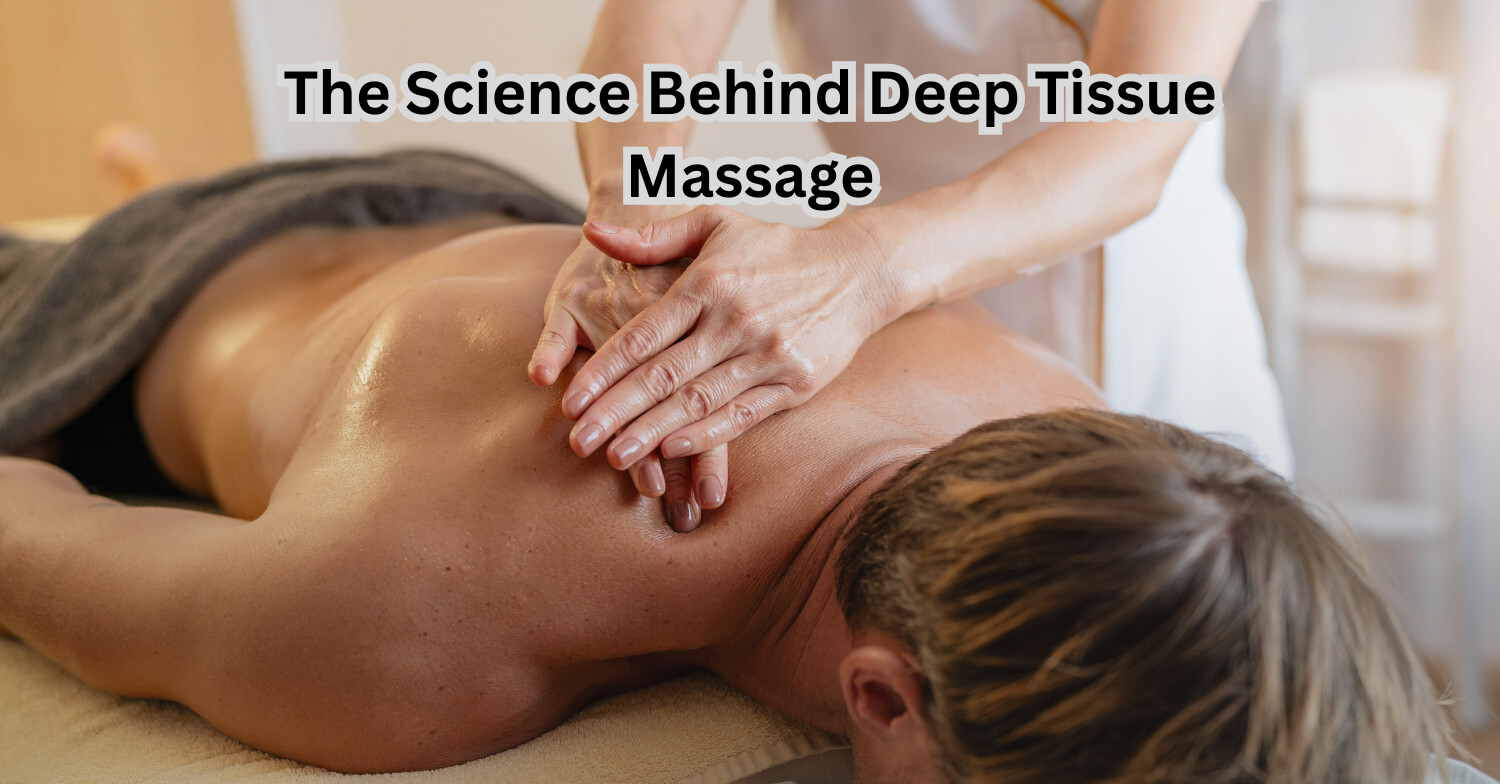
Deep tissue massage uses slow, firm strokes and sustained pressure to reach deeper muscle and fascial layers.
Unlike relaxation massage, the intent isn’t simply to soothe — it’s to help release chronic muscle tension, postural stress, or adhesions that restrict movement. Properly applied, deep tissue isn’t “hard pressure everywhere”; it’s strategic, controlled, and always guided by client feedback.
 Deep tissue massage should never be painful. Discomfort means intensity is too high — communication with your RMT keeps treatment both safe and effective.
How Deep Tissue Massage Works — Backed by Science
Research suggests that deep tissue massage can produce both mechanical and neurological effects that help the body reset and recover:
• Mechanical effects: Sustained pressure improves muscle compliance, reduces stiffness, and may enhance joint range of motion (Journal of Sports Science & Medicine, 2005).
• Circulatory benefits: Deeper strokes promote blood and lymphatic flow, supporting tissue repair (Mayo Clinic Health System, 2023).
• Neurological regulation: Pressure on soft tissue activates mechanoreceptors, calming the nervous system and reducing stress-related muscle tension (Hinge Health, 2024).
• Fascial re-alignment: Studies suggest deep work can help remodel collagen and release adhesions over time (Press Modern Massage, 2022).
What the Research Actually Shows
It’s important to stay realistic and evidence-based — here’s what current literature supports:
 Supported by Evidence
• Massage (including deep tissue) improves short-term recovery and pain reduction in musculoskeletal conditions (PubMed ID 31655314).
• A review found “favourable outcomes” in pain and mobility when deep tissue massage was integrated with exercise therapy (PubMed ID 29861215).
• Clients report better sleep, reduced muscle soreness, and greater relaxation after consistent treatment (Mayo Clinic Health System, 2023).
 What’s Still Unclear
• Long-term results vary — sustained benefits often depend on posture, activity, and follow-up care.
• Pressure tolerance and technique vary widely across studies, meaning “deep tissue” is not one uniform protocol.
• Massage alone isn’t a cure-all — integrating it with mobility, exercise, and lifestyle changes produces better outcomes.
When Deep Tissue Massage Can Help
This technique can be beneficial for:
• Chronic tension or stiffness in the neck, back, or shoulders
• Desk or posture-related pain
• Athletic recovery after training or competition
• Rehabilitation support after injury (once medically cleared)
• General stress reduction and better movement quality
Precautions & When to Check with Your Doctor First
Always consult your healthcare provider before deep tissue massage if you have:
• Blood-clotting disorders or are on anticoagulants
• Osteoporosis or bone fragility
• Recent fractures, surgery, or acute injury
• Cardiovascular instability or uncontrolled hypertension
• Pregnancy (some techniques may need adjustment)
How Our RMTs Apply Deep Tissue Massage at Ikonic Massage
At Ikonic Massage, our approach is guided by both science and professional standards under the College of Massage Therapists of Ontario (CMTO).
Here’s what makes our process unique:
1. Personalized Assessment: Each session begins with a review of your movement, posture, and pain history.
2. Pressure Control: We adapt intensity to your comfort — communication is key.
3. Evidence-Informed Technique: Our RMTs combine deep tissue work with mobility education and recovery strategies.
4. Education: You’ll learn self-care techniques to maintain results between sessions.
5. Mobile & In-Studio Options: Whether you’re in Brantford, Oshawa, Whitby, Ajax, or Pickering, you can book a convenient in-home or clinic session.
How to Get the Most From Your Deep Tissue Session
• Hydrate well before and after your appointment.
• Perform light mobility work (gentle stretching or walking) later that day.
• Communicate openly with your RMT about pressure and comfort.
• Book follow-up sessions as advised — consistency enhances long-term results.
Final Thoughts
Deep tissue massage isn’t about “hard pressure” — it’s about intentional, evidence-based technique that supports recovery, mobility, and performance.
When delivered by a Registered Massage Therapist, deep tissue massage can help restore balance, reduce tension, and improve movement quality — safely and professionally.
If you’re in Brantford, Oshawa, Whitby, Ajax, or Pickering, experience professional mobile massage therapy with Ikonic Massage — where science, skill, and care meet.
Disclaimer: This article is for general educational purposes only and does not replace individualized health advice. If you have a medical condition, injury, or persistent pain, please consult your physician or a qualified healthcare professional before beginning treatment.
 Book your next deep tissue session today → Book Now at IkonicMassage.ca
 Save the drive. Enjoy the therapy.
Mobile Massage Made Easy — Serving Brantford, Oshawa, Whitby, Ajax & Pickering
Mark Ikonomu
Contact Me%20(1).jpg)